Fire Zone Tree Management and Full-Service Care for Glendora Homes
Wildfire-Ready Tree Care on Glendora Foothill Properties
Foothill properties in Glendora operate under fire hazard conditions that make tree management a structural necessity rather than a cosmetic preference. Portions of the city carry Very High Fire Hazard Severity Zone designations that trigger defensible space requirements affecting how vegetation is maintained within one hundred feet of any occupied structure. Trees that grow unchecked in these zones become vertical fuel ladders that carry ground-level fire into upper canopies, and dead frond accumulation on palms creates ignition points that launch embers across property lines during wind-driven events. Maintaining compliance means more than annual brush clearing. It requires selective crown thinning that creates vertical separation between understory vegetation and the lowest canopy branches, removal of volatile species that carry fire more aggressively than their neighbors, and ongoing monitoring to ensure that new growth does not close the gaps that pruning established. Properties along the northern edge of the city face the most acute exposure, but fire behavior modeling shows that ember transport during Santa Ana conditions can threaten structures well south of the officially designated zones. A defensible space program built on species knowledge and fire behavior awareness protects property while preserving the canopy cover that provides shade, privacy, and landscape value to homeowners throughout the community.
Managing Growth Pressure Across Glendora Landscapes
Beyond fire zone requirements, Glendora properties support diverse tree populations that generate year-round maintenance demands across species with very different growth habits and structural tendencies. Eucalyptus planted decades ago as windbreaks have reached heights that make them increasingly difficult to manage and expensive to remove when they begin shedding heavy limbs without warning. Oaks in transitional zones between foothill and valley carry different stress profiles depending on soil depth, drainage conditions, and the degree of root zone compaction from surrounding development. Newer developments on the valley floor often inherited young trees planted by builders with no consideration for mature canopy spread, and those trees are now reaching sizes that conflict with rooflines, fences, and neighboring properties in ways the original site plans never anticipated. Coordinating care across these mixed-age, mixed-species landscapes requires a property-level assessment that identifies priority work based on risk, seasonal timing, and long-term canopy goals rather than a one-size approach that treats every tree the same way. Working through the landscape in planned phases rather than reacting to individual failures reduces overall cost, prevents the cascading damage that occurs when a neglected tree drops a major limb onto a structure, and keeps the property moving toward a condition that requires less emergency intervention each year.
Defensible Space Pruning in Glendora Fire Zones
Defensible space pruning in Glendora fire zones follows a structured approach that addresses vertical fuel continuity, horizontal spacing between canopies, and the specific flammability characteristics of each species on the property. The work begins with identifying which trees present the highest fire risk based on volatile oil content, bark structure, and dead material accumulation within the crown. Eucalyptus, juniper, and Italian cypress rank among the most hazardous species in the foothill environment due to their tendency to shed bark, retain dead branches, and produce oils that ignite readily under radiant heat or ember contact. Pruning these species for fire safety means removing lower limbs to create vertical separation from ground fuels, thinning interior growth to reduce canopy density, and eliminating all dead material that could serve as ignition points during a fire event. Native oaks respond differently to fire mitigation pruning and tolerate moderate thinning well when cuts respect branch collar anatomy and follow dormant-season timing that minimizes pathogen exposure. Palm species require complete removal of dead fronds and seed clusters because dry palm material ignites faster than almost any other vegetation type common in the area. A defensible space plan that accounts for species-specific fire behavior produces results that satisfy regulatory requirements while maintaining a functional, valuable landscape.
Crown Reduction for Overgrown Glendora Eucalyptus
Mature eucalyptus trees present some of the most complex management challenges on Glendora properties due to their rapid growth rates and unpredictable failure patterns. These fast-growing species can reach heights exceeding one hundred feet and develop heavy lateral limbs that extend well beyond the original planting footprint, creating canopy interference with structures, utilities, and neighboring properties that worsens significantly with each passing year of deferred maintenance. As they age, eucalyptus trees shed large branches unpredictably, often without the visible warning signs like cracks or fungal fruiting bodies that typically indicate internal decay in other common species. Crown reduction on these trees must balance the need to lower height and reduce end-weight against the species' well-documented tendency to respond with aggressive epicormic sprouting from heading cuts, which creates new weak attachment points that reproduce the original hazard within just a few growing seasons of the initial work. Selective thinning combined with careful reduction cuts at lateral branch junctions produces better long-term structure than topping, which remains one of the most common and most damaging practices applied to eucalyptus trees throughout the San Gabriel Valley despite being widely recognized as harmful. Properties where eucalyptus has grown into overhead utility corridors face additional coordination requirements with the local utility provider to establish clearance standards and confirm safe access protocols before any canopy work can begin.
Emergency Storm Response Across Glendora Properties
Storm events in the San Gabriel Valley foothills generate emergency tree situations that require rapid mobilization and technical execution under conditions that are inherently more hazardous than routine work. Santa Ana wind gusts that exceed sixty miles per hour snap trunks, uproot shallow-rooted species, and drive broken canopy sections into structures, vehicles, and power lines with force that causes immediate damage. Winter rain events saturate foothill soils and destabilize root plates that were already compromised by drought stress or construction damage, triggering progressive lean failures that can develop over hours or collapse suddenly without warning. Emergency response begins with scene assessment and hazard stabilization. Hanging limbs that could release at any moment are secured or removed before broader cleanup proceeds. Trees resting on structures require careful load analysis to prevent secondary collapse when the supporting weight is removed. Detailed photo documentation of all damage provides the evidence that insurance adjusters need to process claims efficiently and without unnecessary delays. Coordinating with utility companies when downed trees interact with power lines adds another layer of complexity that requires specific training and clearance protocols. Properties in Glendora's foothill zones see proportionally more emergency tree events than valley floor locations, making storm preparedness and rapid-response access part of responsible property management in the area.
Comprehensive Tree Care Services in La Verne
Tailored to Your Needs
Our team provides a full range of professional tree care services designed for the unique conditions of the San Gabriel Valley. From routine trimming and emergency storm response to fire mitigation pruning and certified arborist consultations, we have the equipment and expertise to handle every aspect of your property tree needs.
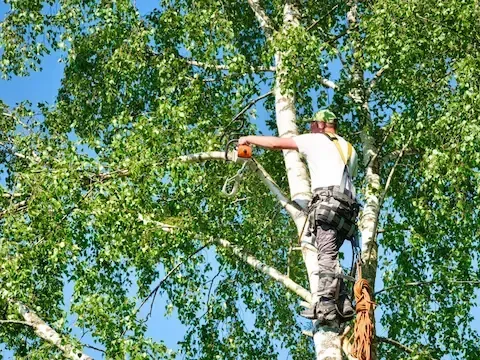
Professional pruning and crown care for every tree species on your La Verne property.
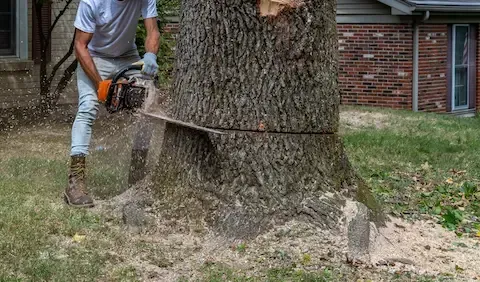
Safe, permitted tree removal for residential and commercial properties throughout La Verne.
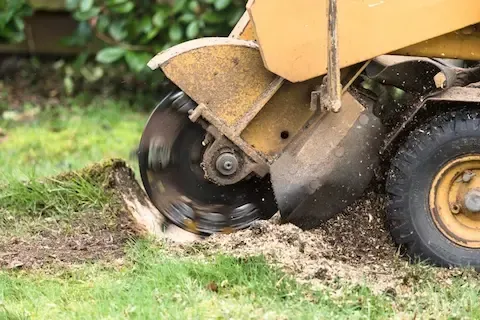
Fast, clean stump grinding that restores full use of your property space.
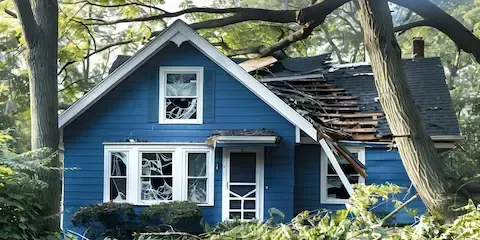
Rapid emergency response for storm damage and fallen trees across La Verne.
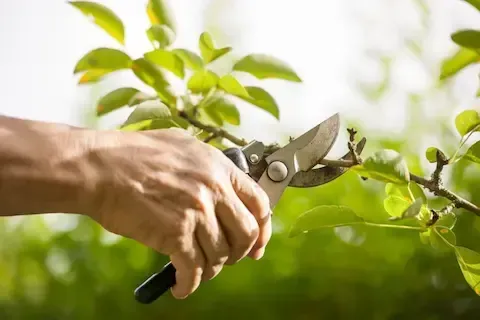
Certified arborist guidance for tree health, permits, and property planning.
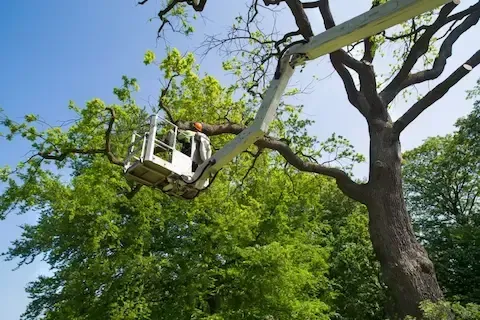
Wildfire risk reduction through professional defensible space pruning and vegetation management.
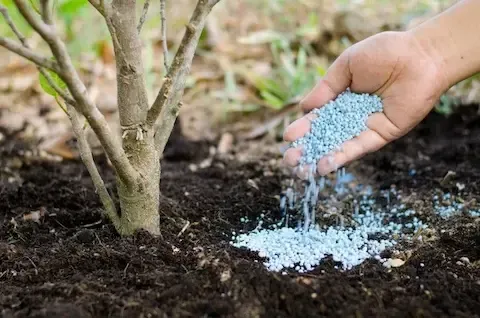
Comprehensive health programs to protect and restore your landscape trees.
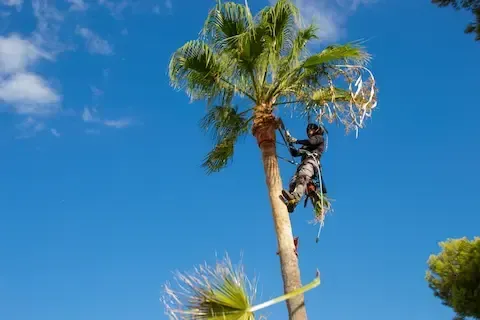
Specialized palm care including frond removal, skinning, and fire safety trimming.

Expert species selection and planting for long-term success in the San Gabriel Valley climate.
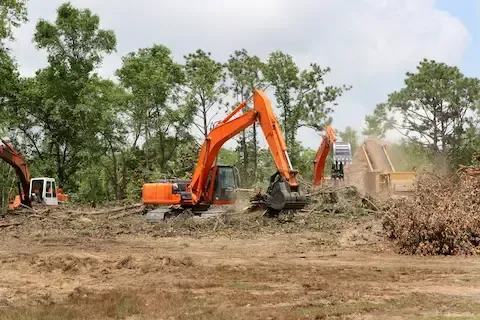
Complete lot clearing and brush removal for construction, development, and fire safety projects.
Frequently Asked Questions
Tree Care can be complex, and we’re here to provide answers to common questions. Here are some frequently asked questions from our clients.
Frequently Asked Questions about Tree Service Company
How much does tree trimming cost in La Verne?
Tree trimming costs in La Verne typically range from $250 to $1,500 depending on the size of the tree, number of branches involved, and accessibility of the work area. Foothill properties with steep terrain or trees near power lines may require specialized equipment that affects pricing. We provide free on-site estimates so you know exactly what to expect before any work begins.
Do I need a permit to remove a tree in La Verne?
La Verne enforces a heritage tree ordinance under Municipal Code Chapter 18.78 that requires permits for removing any tree with an 8-inch or greater caliper, as well as designated heritage trees. A certified arborist report is typically required as part of the permit application. Our team handles the full permit process so you stay compliant with city regulations.
What trees are protected under La Verne ordinances?
La Verne protects heritage trees and significant trees measuring 8 inches or more in trunk diameter at breast height. California oaks receive additional protection under Los Angeles County oak tree ordinances. Before removing or heavily pruning any mature tree on your property, it is important to confirm its protected status to avoid city fines and required replacement plantings.
How often should I have my trees trimmed in Southern California?
Most trees in the San Gabriel Valley benefit from professional trimming every 2 to 3 years, though fast-growing species like eucalyptus or Mexican fan palms may need annual attention. Properties in Very High Fire Hazard Severity Zones should maintain defensible space clearances year-round, which often means more frequent pruning schedules aligned with fire season preparation.
Is your tree service licensed and insured in California?
Yes. We carry full general liability insurance and workers compensation coverage for every crew member. California requires a C-61/D-49 Tree Service contractor license for commercial tree work, and our team meets all state licensing requirements. We are happy to provide proof of insurance and licensing before starting any project on your property.
What should I do if a tree falls on my property during a storm?
Contact us immediately for emergency tree service. Avoid approaching the fallen tree, especially if it is near power lines or structural damage. Our emergency crews respond to storm damage calls throughout the La Verne area and can safely remove fallen trees, stabilize damaged limbs, and help document the damage for your homeowners insurance claim.
Need Tree Care?
What Our Satisfied Clients Have to Say About La Verne Premier Tree Care
We pride ourselves on delivering great results and experiences for each client. Hear directly from home and business owners who’ve trusted us with their Tree Care needs.

They handled our heritage oak trimming with real care and knew exactly what permits we needed from the city. Professional crew from start to cleanup.
La Verne Homeowner
Called them for emergency service after a Santa Ana wind event brought down a large branch on our fence. Fast response and fair pricing on a stressful day.
Glendora Property Owner
Their arborist gave us an honest assessment of our trees and recommended treatments that actually worked. You can tell they know the local conditions here.
Claremont Resident
The Trusted Tree Care Expert Near You
Ready to hear more about expert services at La Verne Premier Tree Care?
Contact us today to receive a detailed, no-obligation quote.
Serving La Verne the surrounding cities
Mon-Fri, 8am-5pm

