
Upland Properties Deserve Tree Care Built for Mountain-Base Conditions
Wind Exposure and Tree Stability on Upland Foothill Lots
Properties at higher elevations in Upland experience wind exposure levels that test tree structure in ways that valley floor locations rarely encounter. Downslope gusts channeled through mountain canyons accelerate across foothill parcels and apply lateral forces to canopies that were never pruned to withstand sustained wind loading. Trees with co-dominant stems, included bark at major branch unions, and heavy end-weight on extended laterals are the first to fail under these conditions, and failures on elevated lots frequently damage structures downhill or block the narrow access roads that serve foothill neighborhoods. Structural pruning that addresses these specific vulnerability points reduces the probability of wind-induced failure without removing the canopy cover that provides shade, privacy, and landscape value to properties throughout the area. The work requires understanding how different species respond to wind forces because broadleaf trees with dense canopies create significantly more drag than open-crowned species, and the pruning strategy must account for that difference in every recommendation. Crown thinning reduces sail area and allows wind to pass through the canopy rather than catching it like a solid surface, while selective reduction on overextended limbs brings the center of gravity closer to the trunk and improves overall stability during sustained gusts that characterize wind events along the mountain corridor.
Aging Citrus-Era Trees and Modern Property Demands in Upland
Upland's agricultural heritage left a legacy of tree plantings that shape property management decisions today. Many residential streets and larger lots still carry specimens dating to the citrus-era landscaping that preceded suburban development, including mature camphor, pepper, and carob trees that have reached sizes their original planters never anticipated. These species produce massive root systems that have had decades to spread under foundations, driveways, and utility corridors, and their canopies now extend well beyond the lot lines that were drawn when the trees were young. Managing these legacy specimens requires balancing their landscape value and shade contribution against the structural conflicts they create as they continue to grow. Root intrusion into sewer laterals is one of the most common and expensive problems on older Upland properties, and reactive root cutting without understanding the tree's structural root architecture can trade a plumbing problem for a catastrophic wind-throw failure during the next storm. Properties that approach legacy tree management with a long-term plan rather than reactive repairs invest less over time while retaining specimens that add measurable value to the property. Coordinating root management, canopy reduction, and infrastructure protection into a single care strategy produces stable outcomes that hold up across seasons and weather events.
Wind-Ready Pruning for Upland Foothill Canopies
Wind-ready pruning on Upland foothill properties follows a structural assessment protocol that identifies the specific failure points most likely to release under sustained lateral loading from canyon-channeled gusts. Co-dominant stems with included bark are the highest priority because these unions lack the interlocking wood grain that gives properly formed branch attachments their strength, and they split under wind loads that healthy unions would withstand without issue. Removing one of the co-dominant leaders early in the tree's life is the ideal intervention, but on mature specimens where both leaders have reached significant diameter, reduction of the subordinate leader combined with cabling hardware provides structural support without requiring the major wound that full removal would create. End-weight reduction on laterals that extend beyond the crown's natural profile brings overextended limbs back into proportion and reduces the lever arm that wind forces act against. Crown thinning at appropriate percentages for each species allows air to move through the canopy rather than applying cumulative force against a solid wall of foliage. The combination of these techniques produces a canopy profile that sheds wind efficiently while maintaining enough leaf area to sustain the tree's energy production and growth requirements through each season of the year.
Wind-Ready Pruning for Upland Foothill Canopies
Root intrusion on older Upland properties presents a conflict between tree preservation and infrastructure protection that requires careful assessment before any cutting begins. Mature trees that have grown for decades alongside sewer laterals, foundation footings, and irrigation mains develop root systems that are structurally interdependent with these buried elements. Severing a major structural root to clear a sewer line can destabilize the entire tree, while ignoring the root intrusion allows progressive pipe damage that eventually requires full lateral replacement at significant expense. The assessment process begins with root mapping to determine which roots are structural anchors and which are feeder roots that can be pruned without compromising stability. Mechanical root barriers installed between the tree and the infrastructure create a permanent redirect that prevents regrowth from recolonizing the cleared area. When root damage has already compromised pipe integrity, coordinating root pruning with pipe repair or lining ensures both systems are addressed simultaneously rather than in separate projects that disrupt the site twice. Properties with multiple legacy trees along utility corridors benefit from a prioritized management plan that addresses the most acute conflicts first and schedules remaining work across subsequent maintenance cycles to distribute both cost and site disruption over a manageable timeline.
Wind-Ready Pruning for Upland Foothill Canopies
Tree removal in Upland ranges from straightforward small-tree extractions on flat valley floor lots to complex technical operations on steep foothill parcels where access limitations and downhill exposure multiply the planning requirements. Elevated properties often have driveways and work areas that cannot support heavy equipment without ground protection, and the fall zone for canopy sections extends downhill across neighboring properties or roadways that must be controlled during the operation. Sectional dismantling with rigging systems manages these constraints by lowering each piece to a predetermined landing zone rather than allowing any part of the tree to free-fall. Crane-assisted removals on foothill lots require advance engineering of the setup location to ensure the machine operates within its rated capacity at the required reach angles, and access route evaluation must confirm that the crane can reach the work site without damaging utilities, pavement, or adjacent landscaping. Valley floor removals are typically less constrained but still require attention to overhead utility clearance, fence proximity, and pool or hardscape protection in the drop zone. Every removal includes full debris cleanup, stump grinding to below grade, and backfilling that leaves the site ready for the property owner's next use. Coordinating the entire removal sequence from initial assessment through final site restoration delivers a complete project outcome rather than leaving loose ends that require follow-up visits and additional expense.
Comprehensive Tree Care Services in La Verne
Tailored to Your Needs
Our team provides a full range of professional tree care services designed for the unique conditions of the San Gabriel Valley. From routine trimming and emergency storm response to fire mitigation pruning and certified arborist consultations, we have the equipment and expertise to handle every aspect of your property tree needs.
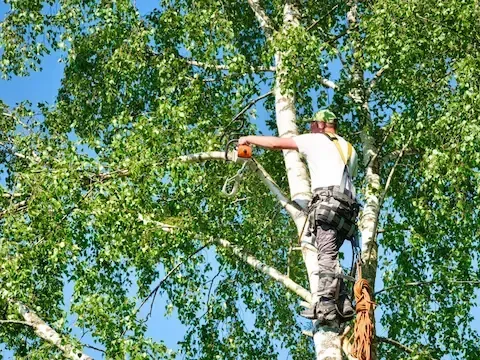
Professional pruning and crown care for every tree species on your La Verne property.
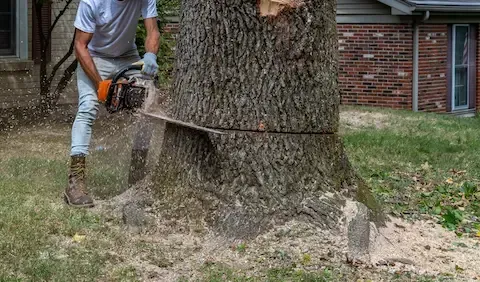
Safe, permitted tree removal for residential and commercial properties throughout La Verne.
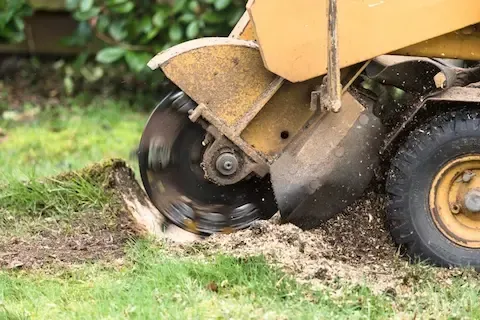
Fast, clean stump grinding that restores full use of your property space.
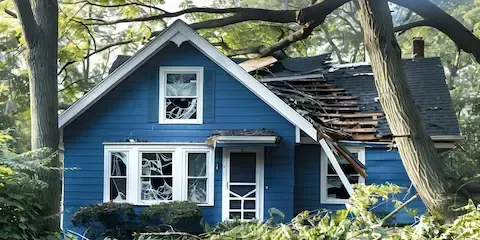
Rapid emergency response for storm damage and fallen trees across La Verne.
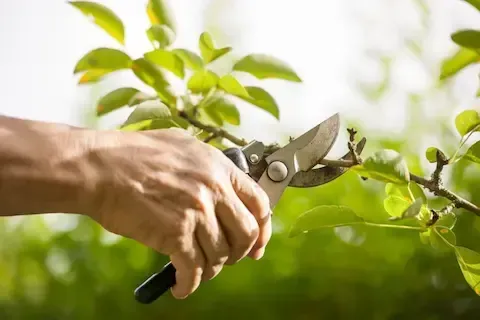
Certified arborist guidance for tree health, permits, and property planning.
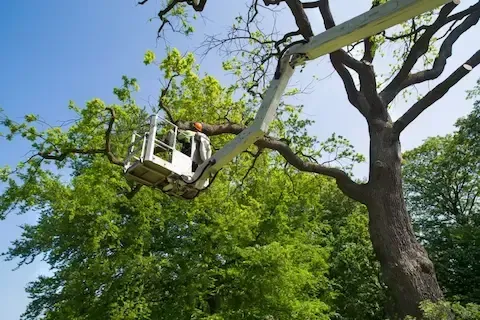
Wildfire risk reduction through professional defensible space pruning and vegetation management.

Comprehensive health programs to protect and restore your landscape trees.
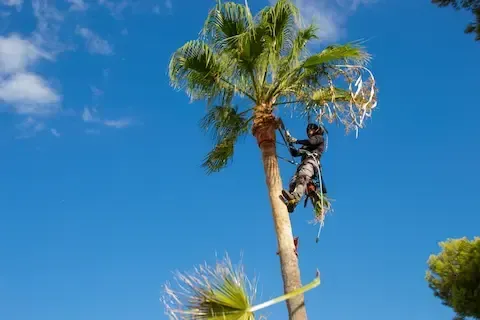
Specialized palm care including frond removal, skinning, and fire safety trimming.

Expert species selection and planting for long-term success in the San Gabriel Valley climate.
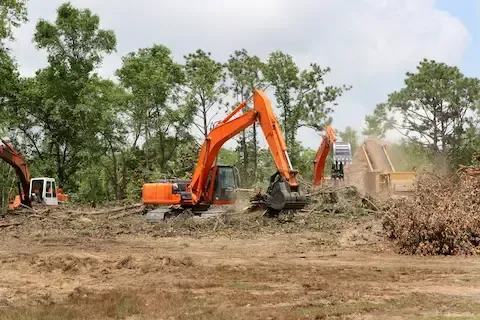
Complete lot clearing and brush removal for construction, development, and fire safety projects.
Frequently Asked Questions
Tree Care can be complex, and we’re here to provide answers to common questions. Here are some frequently asked questions from our clients.
Frequently Asked Questions about Tree Service Company
How much does tree trimming cost in La Verne?
Tree trimming costs in La Verne typically range from $250 to $1,500 depending on the size of the tree, number of branches involved, and accessibility of the work area. Foothill properties with steep terrain or trees near power lines may require specialized equipment that affects pricing. We provide free on-site estimates so you know exactly what to expect before any work begins.
Do I need a permit to remove a tree in La Verne?
La Verne enforces a heritage tree ordinance under Municipal Code Chapter 18.78 that requires permits for removing any tree with an 8-inch or greater caliper, as well as designated heritage trees. A certified arborist report is typically required as part of the permit application. Our team handles the full permit process so you stay compliant with city regulations.
What trees are protected under La Verne ordinances?
La Verne protects heritage trees and significant trees measuring 8 inches or more in trunk diameter at breast height. California oaks receive additional protection under Los Angeles County oak tree ordinances. Before removing or heavily pruning any mature tree on your property, it is important to confirm its protected status to avoid city fines and required replacement plantings.
How often should I have my trees trimmed in Southern California?
Most trees in the San Gabriel Valley benefit from professional trimming every 2 to 3 years, though fast-growing species like eucalyptus or Mexican fan palms may need annual attention. Properties in Very High Fire Hazard Severity Zones should maintain defensible space clearances year-round, which often means more frequent pruning schedules aligned with fire season preparation.
Is your tree service licensed and insured in California?
Yes. We carry full general liability insurance and workers compensation coverage for every crew member. California requires a C-61/D-49 Tree Service contractor license for commercial tree work, and our team meets all state licensing requirements. We are happy to provide proof of insurance and licensing before starting any project on your property.
What should I do if a tree falls on my property during a storm?
Contact us immediately for emergency tree service. Avoid approaching the fallen tree, especially if it is near power lines or structural damage. Our emergency crews respond to storm damage calls throughout the La Verne area and can safely remove fallen trees, stabilize damaged limbs, and help document the damage for your homeowners insurance claim.
Need Tree Care?
What Our Satisfied Clients Have to Say About La Verne Premier Tree Care
We pride ourselves on delivering great results and experiences for each client. Hear directly from home and business owners who’ve trusted us with their Tree Care needs.

They handled our heritage oak trimming with real care and knew exactly what permits we needed from the city. Professional crew from start to cleanup.
La Verne Homeowner
Called them for emergency service after a Santa Ana wind event brought down a large branch on our fence. Fast response and fair pricing on a stressful day.
Glendora Property Owner
Their arborist gave us an honest assessment of our trees and recommended treatments that actually worked. You can tell they know the local conditions here.
Claremont Resident
The Trusted Tree Care Expert Near You
Ready to hear more about expert services at La Verne Premier Tree Care?
Contact us today to receive a detailed, no-obligation quote.
Serving La Verne the surrounding cities
Mon-Fri, 8am-5pm

