Full-Property Tree Care Where Foothill Terrain Meets Mature Landscapes
Navigating Tree Preservation Rules on San Dimas Properties
San Dimas enforces a tree preservation ordinance that classifies any oak measuring eight inches or more in trunk diameter and any other species measuring ten inches or more as significant trees requiring permits before removal or relocation. Multi-trunk trees with a combined circumference of thirty-eight inches or more fall under the same protection regardless of species. For property owners planning renovations, additions, or landscape redesigns, these thresholds mean that tree decisions must happen early in the planning process rather than as afterthoughts once construction is already underway. Removing a protected tree without proper authorization triggers enforcement action including fines and mandatory replacement planting at ratios that can significantly exceed the cost of doing the permit work correctly from the start. Understanding which trees on a property meet significance thresholds, what condition they are in, and whether they can coexist with planned improvements requires professional assessment that goes beyond a quick visual inspection. Root zone mapping, canopy spread measurement, and structural evaluation all feed into the permit documentation that the city requires before approving any removal. Properties that integrate arborist assessment into their project planning timeline avoid the delays, costly rework, and compliance exposure that occur when tree protection is treated as a secondary concern.
Foothill Soil Conditions and Their Impact on San Dimas Trees
The soil profile across San Dimas properties varies considerably between the clay-heavy valley floor and the rocky decomposed granite layers found on foothill parcels, and this variation directly affects tree health, root stability, and the feasibility of different care approaches. Clay soils retain moisture during wet periods but drain poorly and compact under foot traffic and vehicle weight, restricting oxygen flow to the root zone and creating conditions where root rot pathogens establish in species that evolved in better-drained environments. Foothill properties often have shallow topsoil over rocky substrate that limits root depth and forces lateral root expansion that creates conflicts with foundations, retaining walls, and utility trenches. Trees planted without consideration for these soil conditions frequently develop anchoring problems that become apparent only when wind loads test the root plate's holding capacity. Soil assessment before any major tree work ensures that pruning recommendations, fertilization programs, and planting plans are calibrated to actual site conditions rather than generic guidelines. Deep root fertilization in clay soils requires different injection depths, pressures, and nutrient formulations than applications on sandy or rocky substrates, and applying the wrong protocol wastes material while failing to reach the active root zone where nutrients are actually absorbed.
Permit-Compliant Tree Removal in San Dimas
Removing a protected tree in San Dimas starts with documentation that establishes the justification the city requires before it will issue a removal permit. Arborist reports must identify the species, measure trunk diameter at breast height, assess structural condition in thorough detail, and explain clearly why removal is warranted rather than continued treatment or ongoing management of the existing tree. Common justifications include advanced decay that creates imminent failure risk to people or property, root damage to foundations or critical infrastructure that cannot be effectively mitigated through less invasive means, disease progression beyond treatment viability, and interference with approved construction plans that cannot reasonably be redesigned to accommodate the tree's root zone and canopy. The report must also address mitigation requirements, typically through replacement planting at specified ratios with species approved for the site conditions and the available growing space on the property. Once the permit is approved, the removal itself requires technical planning that accounts for the tree's lean, proximity to structures, overhead obstructions, and available equipment access paths. Sectional dismantling with rigging systems controls exactly where every cut piece lands, protecting rooflines, fences, and landscape features that would sustain damage from an uncontrolled fall. Stump grinding after removal brings the site to final grade and allows the property owner to proceed with replanting obligations or alternative site use without leaving an obstruction in the ground.
Clay Soil Tree Health Programs for San Dimas Landscapes
Trees growing in San Dimas clay soils face chronic stress conditions that manifest as reduced canopy vigor, premature leaf drop, and increased susceptibility to opportunistic pest colonization that accelerates decline. Heavy clay retains water at the surface while remaining anaerobic deeper in the profile, creating a contradiction where trees appear to have adequate moisture but their deeper roots are actually suffocating in waterlogged, oxygen-depleted soil that cannot support healthy function. Iron chlorosis is common in clay environments because the high pH locks up micronutrients that trees need for chlorophyll production, producing the yellowing leaf patterns that property owners often misidentify as drought stress or nutrient deficiency. Correcting these conditions requires a soil-first approach that addresses compaction through vertical mulching or radial trenching, adjusts pH in the active root zone through targeted amendment applications, and restores microbial activity through organic inputs that gradually break down the dense clay matrix over time. Deep root fertilization delivers chelated nutrients directly to the absorption zone, bypassing the surface chemistry that would otherwise bind the material before roots can access it. Monitoring canopy response over subsequent growing seasons determines whether the initial treatment protocol needs adjustment or whether the tree's decline has progressed to a point where removal becomes the more honest and responsible decision.
Mature Canopy Trimming Across San Dimas Neighborhoods
Trimming mature canopies across San Dimas requires adapting technique and timing to the wide range of species that populate residential and commercial landscapes throughout the area. Ranch-style properties with large lots often carry a mix of native oaks, ornamental species, and fruit trees that each follow different growth cycles, pruning windows, and structural tendencies. Oaks benefit from dormant-season pruning that minimizes sap flow and reduces exposure to oak wilt pathogens that are transported by beetles active during warmer months. Ornamental trees like crape myrtles and Chinese pistache tolerate pruning across a wider seasonal window but develop structural problems when topped or headed back to stubs rather than thinned to proper lateral branches. Fruit trees on residential properties require annual pruning to maintain productive scaffolding, control height for harvesting access, and remove water sprouts that divert energy from fruit-bearing wood. Coordinating a trimming schedule that handles each species group during its optimal window allows the entire property to receive proper care without the compromises that come from trying to prune everything at once regardless of species requirements. The result is a landscape where every tree maintains its intended form, produces appropriate growth, and avoids the structural defects that accumulate when trimming is deferred or performed without species-specific knowledge.
Comprehensive Tree Care Services in La Verne
Tailored to Your Needs
Our team provides a full range of professional tree care services designed for the unique conditions of the San Gabriel Valley. From routine trimming and emergency storm response to fire mitigation pruning and certified arborist consultations, we have the equipment and expertise to handle every aspect of your property tree needs.
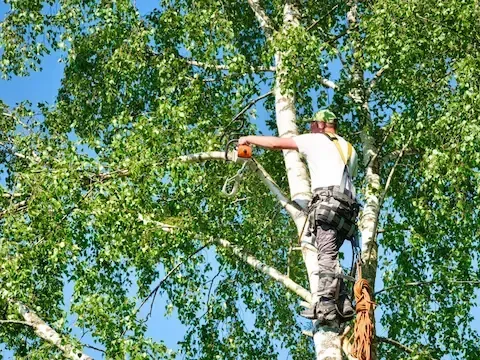
Professional pruning and crown care for every tree species on your La Verne property.
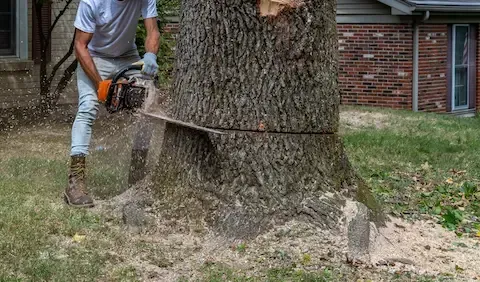
Safe, permitted tree removal for residential and commercial properties throughout La Verne.
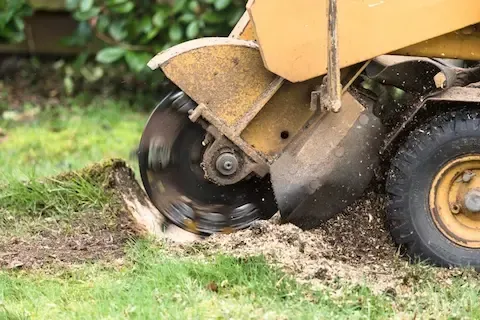
Fast, clean stump grinding that restores full use of your property space.
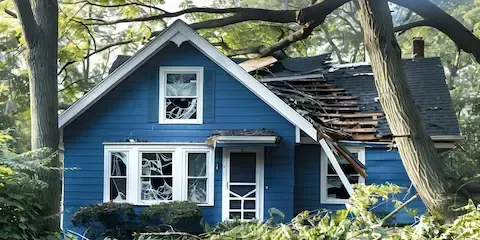
Rapid emergency response for storm damage and fallen trees across La Verne.
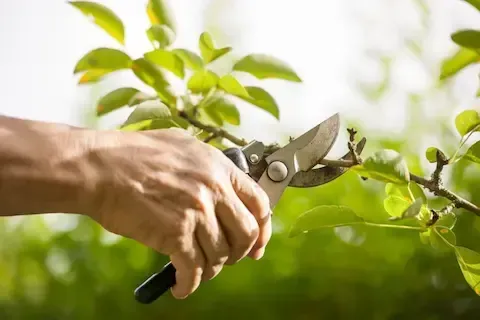
Certified arborist guidance for tree health, permits, and property planning.
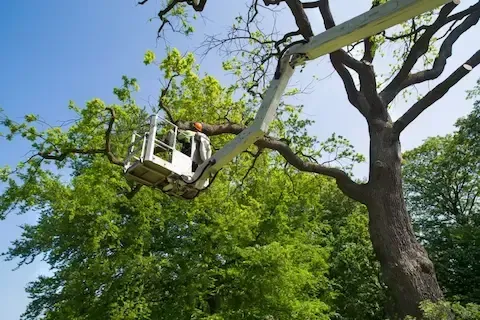
Wildfire risk reduction through professional defensible space pruning and vegetation management.
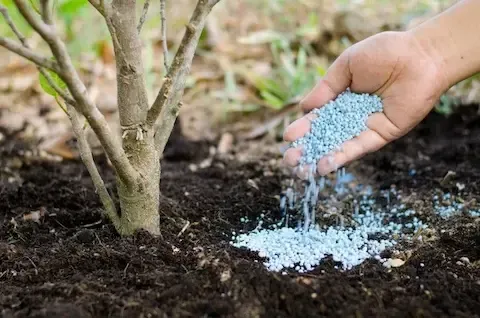
Comprehensive health programs to protect and restore your landscape trees.
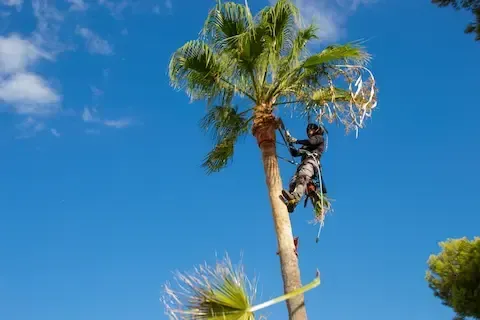
Specialized palm care including frond removal, skinning, and fire safety trimming.

Expert species selection and planting for long-term success in the San Gabriel Valley climate.
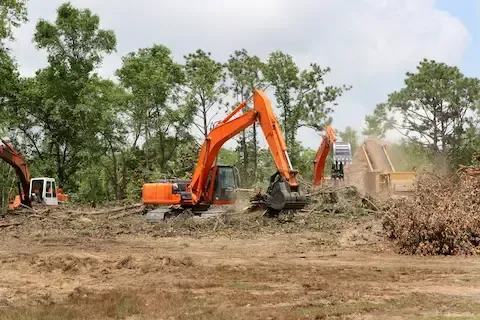
Complete lot clearing and brush removal for construction, development, and fire safety projects.
Frequently Asked Questions
Tree Care can be complex, and we’re here to provide answers to common questions. Here are some frequently asked questions from our clients.
Frequently Asked Questions about Tree Service Company
How much does tree trimming cost in La Verne?
Tree trimming costs in La Verne typically range from $250 to $1,500 depending on the size of the tree, number of branches involved, and accessibility of the work area. Foothill properties with steep terrain or trees near power lines may require specialized equipment that affects pricing. We provide free on-site estimates so you know exactly what to expect before any work begins.
Do I need a permit to remove a tree in La Verne?
La Verne enforces a heritage tree ordinance under Municipal Code Chapter 18.78 that requires permits for removing any tree with an 8-inch or greater caliper, as well as designated heritage trees. A certified arborist report is typically required as part of the permit application. Our team handles the full permit process so you stay compliant with city regulations.
What trees are protected under La Verne ordinances?
La Verne protects heritage trees and significant trees measuring 8 inches or more in trunk diameter at breast height. California oaks receive additional protection under Los Angeles County oak tree ordinances. Before removing or heavily pruning any mature tree on your property, it is important to confirm its protected status to avoid city fines and required replacement plantings.
How often should I have my trees trimmed in Southern California?
Most trees in the San Gabriel Valley benefit from professional trimming every 2 to 3 years, though fast-growing species like eucalyptus or Mexican fan palms may need annual attention. Properties in Very High Fire Hazard Severity Zones should maintain defensible space clearances year-round, which often means more frequent pruning schedules aligned with fire season preparation.
Is your tree service licensed and insured in California?
Yes. We carry full general liability insurance and workers compensation coverage for every crew member. California requires a C-61/D-49 Tree Service contractor license for commercial tree work, and our team meets all state licensing requirements. We are happy to provide proof of insurance and licensing before starting any project on your property.
What should I do if a tree falls on my property during a storm?
Contact us immediately for emergency tree service. Avoid approaching the fallen tree, especially if it is near power lines or structural damage. Our emergency crews respond to storm damage calls throughout the La Verne area and can safely remove fallen trees, stabilize damaged limbs, and help document the damage for your homeowners insurance claim.
Need Tree Care?
What Our Satisfied Clients Have to Say About La Verne Premier Tree Care
We pride ourselves on delivering great results and experiences for each client. Hear directly from home and business owners who’ve trusted us with their Tree Care needs.

They handled our heritage oak trimming with real care and knew exactly what permits we needed from the city. Professional crew from start to cleanup.
La Verne Homeowner
Called them for emergency service after a Santa Ana wind event brought down a large branch on our fence. Fast response and fair pricing on a stressful day.
Glendora Property Owner
Their arborist gave us an honest assessment of our trees and recommended treatments that actually worked. You can tell they know the local conditions here.
Claremont Resident
The Trusted Tree Care Expert Near You
Ready to hear more about expert services at La Verne Premier Tree Care?
Contact us today to receive a detailed, no-obligation quote.
Serving La Verne the surrounding cities
Mon-Fri, 8am-5pm

