Caring for Pomona Properties Where Mature Canopies Meet Urban Density
Managing Heavy Canopy Cover on Established Pomona Lots
Residential lots across Pomona carry some of the heaviest canopy loads in the San Gabriel Valley. Decades of sycamore, elm, and oak growth have created dense overhead cover that shades rooftops, crowds utility corridors, and drops seasonal debris onto driveways and walkways year-round. Properties built during the midcentury housing boom were often planted with fast-growing species that have now reached full maturity, and their root systems routinely lift sidewalks, press against foundation walls, and interfere with underground irrigation lines. Without consistent trimming and structural evaluation, these aging canopies develop deadwood accumulation, co-dominant stems, and interior branch failures that threaten rooflines and parked vehicles during wind events. Managing tree cover at this stage requires selective crown work that preserves shade value while eliminating structural risk, and every species responds differently to pruning cuts. Improper technique on a mature London plane or coast live oak can trigger rapid sucker growth or open decay pathways that shorten the tree's productive life by decades. Effective care at this density means understanding how each canopy interacts with the structures below it and building a maintenance schedule that keeps both the tree and the property safe through every season. Properties that establish consistent pruning cycles see fewer emergency calls and lower cumulative costs than those that wait for visible failures before taking action.
Drought Stress and Aging Trees Across Pomona Properties
Pomona properties also contend with a layered set of regulatory and environmental pressures that make professional tree management essential rather than optional. The city maintains tree preservation requirements in its historic districts that restrict how and when significant trees can be pruned or removed, and property owners who skip the permit process face enforcement action and mandatory replacement planting at their own expense. At the same time, drought conditions have weakened root systems across the valley and reduced the water reserves that mature trees rely on to compartmentalize pruning wounds and resist pest colonization. Invasive borers have moved aggressively through stressed sycamores and willows throughout the region, and properties that defer health assessments often discover the damage only after canopy dieback has progressed beyond recovery. Planning tree work around these overlapping demands requires coordination between species knowledge, regulatory awareness, and honest condition assessment that only comes from working in this environment consistently. A structured approach that sequences trimming, health treatments, and removal decisions based on actual tree condition protects property investment while keeping the urban canopy functional for the long term. Waiting until branches fall or permits are denied costs significantly more than staying ahead of these issues with a maintenance plan that accounts for both the biological and regulatory realities affecting every lot.
Structural Trimming for Overgrown Pomona Canopies
Overgrown canopies on Pomona properties demand more than surface trimming. When trees have gone several years without structural pruning, interior branches compete for light and create dense clusters that trap moisture and invite fungal colonization. Wind loads distribute unevenly across poorly structured crowns, putting stress on attachment points that were never corrected during the tree's formative years. Structural trimming addresses these accumulated problems through targeted reduction cuts, removal of crossing limbs, and selective thinning that restores airflow through the canopy interior. Each cut follows species-specific response patterns because a sycamore compartmentalizes wounds differently than a Chinese elm, and aggressive heading cuts that seem efficient in the short term often produce weak regrowth that creates worse problems within two seasons. On properties where canopies extend over rooflines, pool enclosures, or neighboring fences, clearance pruning is integrated into the structural work so that a single service visit addresses both safety and appearance without requiring the crew to return for separate passes. Scheduling this work during dormancy for deciduous species reduces sap loss and gives wound tissue the best conditions to close before the growing season accelerates new demands on the tree's energy reserves. The goal is a canopy that looks natural, holds its form through wind events, and requires less corrective work at the next service interval.
Root Conflict Solutions for Pomona Hardscape
Root conflicts represent one of the most expensive deferred maintenance problems on older Pomona properties. Mature ficus, carob, and eucalyptus species produce lateral root systems that extend well beyond the canopy drip line, heaving concrete walkways, cracking pool decking, and displacing retaining walls over time. Surface root exposure accelerates when irrigation patterns shift during drought restrictions, forcing roots upward to chase moisture in the top soil layer rather than growing deeper where they would provide better anchorage and stability for the tree. Addressing these conflicts requires accurate root mapping before any cutting begins because severing major structural roots destabilizes the entire tree and can trigger sudden failure during the next significant wind event. Root pruning, barrier installation, and selective hardscape modification each have appropriate applications depending on the tree species involved, the root diameter at the point of conflict, and the proximity of the problem area to the trunk. A solutions-based assessment determines whether the root system and the hardscape can coexist with targeted intervention or whether removal is the only responsible path forward given the severity of the conflict. Properties that invest in root conflict resolution early avoid compounding repair costs that escalate rapidly when infrastructure damage spreads to adjacent sections, and they preserve valuable shade trees that would take decades to replace if lost to entirely preventable stability failure.
Tree Removal and Permit Coordination in Pomona
Removing a mature tree from a Pomona property is never a simple demolition job. Tight lot spacing, overhead utility lines, and adjacent structures all constrain how a tree can be dismantled, and every removal requires a technical plan that accounts for the fall zone, rigging points, and equipment access before the first cut is made. Properties in historic districts or those with trees meeting the city's significant tree threshold face additional requirements including permit applications and documentation of the tree's condition along with the justification for removal. Skipping these steps exposes the property owner to fines and mandatory replacement planting that can exceed the cost of doing the removal correctly in the first place. Sectional dismantling with crane-assisted rigging allows large removals to proceed safely even on properties where the tree is surrounded by structures on three sides, and each section is lowered to a controlled landing zone rather than dropped to the ground. After the trunk is down, stump grinding below grade prepares the site for replanting or hardscape installation without leaving an obstruction in the ground that interferes with future use. Coordinating the entire sequence from initial assessment through permit closure and site restoration keeps the project on schedule and eliminates the compliance gaps that create problems months after the work is finished.
Comprehensive Tree Care Services in La Verne
Tailored to Your Needs
Our team provides a full range of professional tree care services designed for the unique conditions of the San Gabriel Valley. From routine trimming and emergency storm response to fire mitigation pruning and certified arborist consultations, we have the equipment and expertise to handle every aspect of your property tree needs.
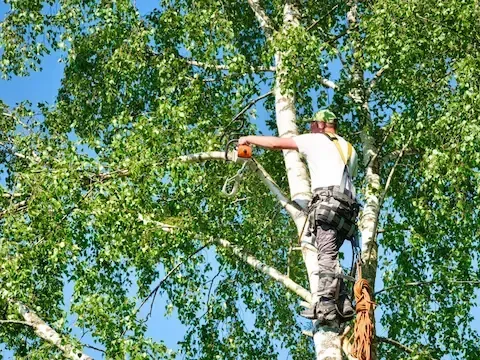
Professional pruning and crown care for every tree species on your La Verne property.
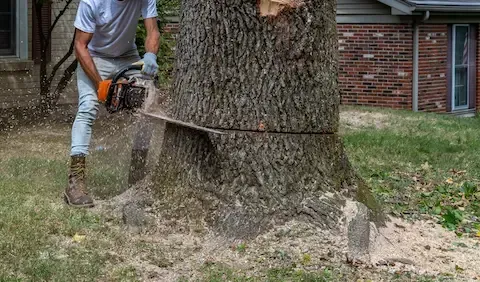
Safe, permitted tree removal for residential and commercial properties throughout La Verne.
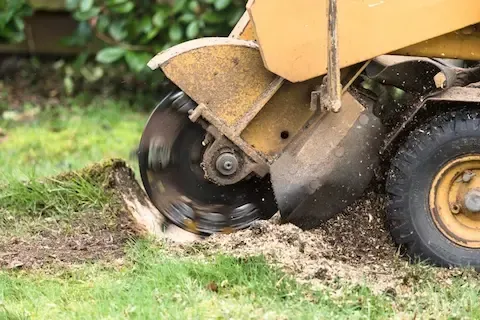
Fast, clean stump grinding that restores full use of your property space.
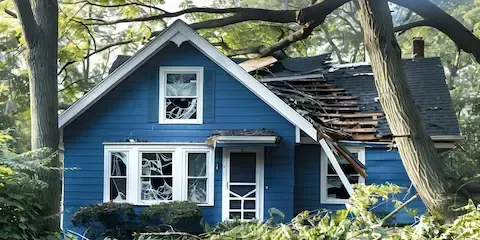
Rapid emergency response for storm damage and fallen trees across La Verne.
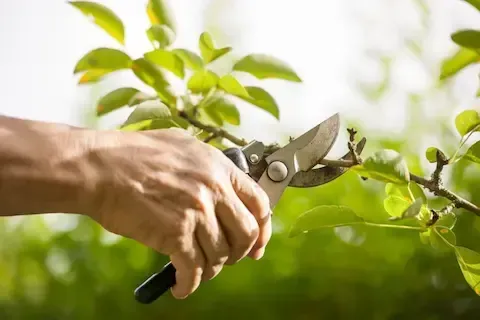
Certified arborist guidance for tree health, permits, and property planning.
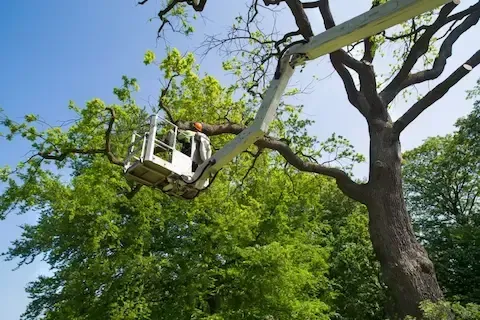
Wildfire risk reduction through professional defensible space pruning and vegetation management.

Comprehensive health programs to protect and restore your landscape trees.
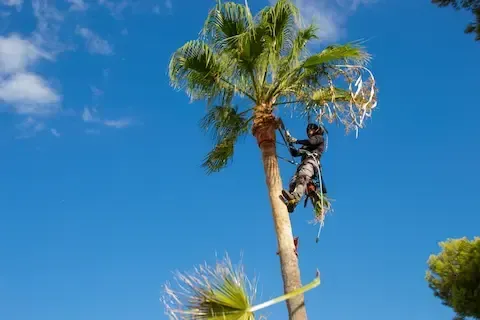
Specialized palm care including frond removal, skinning, and fire safety trimming.

Expert species selection and planting for long-term success in the San Gabriel Valley climate.
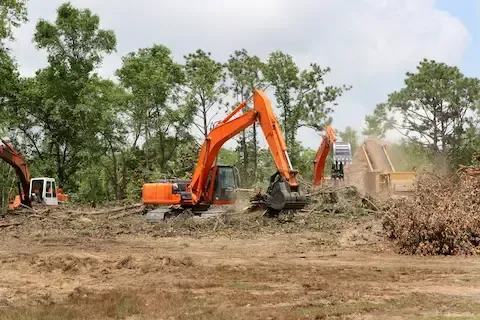
Complete lot clearing and brush removal for construction, development, and fire safety projects.
Frequently Asked Questions
Tree Care can be complex, and we’re here to provide answers to common questions. Here are some frequently asked questions from our clients.
Frequently Asked Questions about Tree Service Company
How much does tree trimming cost in La Verne?
Tree trimming costs in La Verne typically range from $250 to $1,500 depending on the size of the tree, number of branches involved, and accessibility of the work area. Foothill properties with steep terrain or trees near power lines may require specialized equipment that affects pricing. We provide free on-site estimates so you know exactly what to expect before any work begins.
Do I need a permit to remove a tree in La Verne?
La Verne enforces a heritage tree ordinance under Municipal Code Chapter 18.78 that requires permits for removing any tree with an 8-inch or greater caliper, as well as designated heritage trees. A certified arborist report is typically required as part of the permit application. Our team handles the full permit process so you stay compliant with city regulations.
What trees are protected under La Verne ordinances?
La Verne protects heritage trees and significant trees measuring 8 inches or more in trunk diameter at breast height. California oaks receive additional protection under Los Angeles County oak tree ordinances. Before removing or heavily pruning any mature tree on your property, it is important to confirm its protected status to avoid city fines and required replacement plantings.
How often should I have my trees trimmed in Southern California?
Most trees in the San Gabriel Valley benefit from professional trimming every 2 to 3 years, though fast-growing species like eucalyptus or Mexican fan palms may need annual attention. Properties in Very High Fire Hazard Severity Zones should maintain defensible space clearances year-round, which often means more frequent pruning schedules aligned with fire season preparation.
Is your tree service licensed and insured in California?
Yes. We carry full general liability insurance and workers compensation coverage for every crew member. California requires a C-61/D-49 Tree Service contractor license for commercial tree work, and our team meets all state licensing requirements. We are happy to provide proof of insurance and licensing before starting any project on your property.
What should I do if a tree falls on my property during a storm?
Contact us immediately for emergency tree service. Avoid approaching the fallen tree, especially if it is near power lines or structural damage. Our emergency crews respond to storm damage calls throughout the La Verne area and can safely remove fallen trees, stabilize damaged limbs, and help document the damage for your homeowners insurance claim.
Need Tree Care?
What Our Satisfied Clients Have to Say About La Verne Premier Tree Care
We pride ourselves on delivering great results and experiences for each client. Hear directly from home and business owners who’ve trusted us with their Tree Care needs.

They handled our heritage oak trimming with real care and knew exactly what permits we needed from the city. Professional crew from start to cleanup.
La Verne Homeowner
Called them for emergency service after a Santa Ana wind event brought down a large branch on our fence. Fast response and fair pricing on a stressful day.
Glendora Property Owner
Their arborist gave us an honest assessment of our trees and recommended treatments that actually worked. You can tell they know the local conditions here.
Claremont Resident
The Trusted Tree Care Expert Near You
Ready to hear more about expert services at La Verne Premier Tree Care?
Contact us today to receive a detailed, no-obligation quote.
Serving La Verne the surrounding cities
Mon-Fri, 8am-5pm

